






There are various types of water pollution: groundwater and surface water pollution, suspended solids, oil spills, microbiological, chemical and thermal water pollution, as a result of which various contaminants enter the water supply system: microbes, parasites, chemicals, toxins and plastic waste.
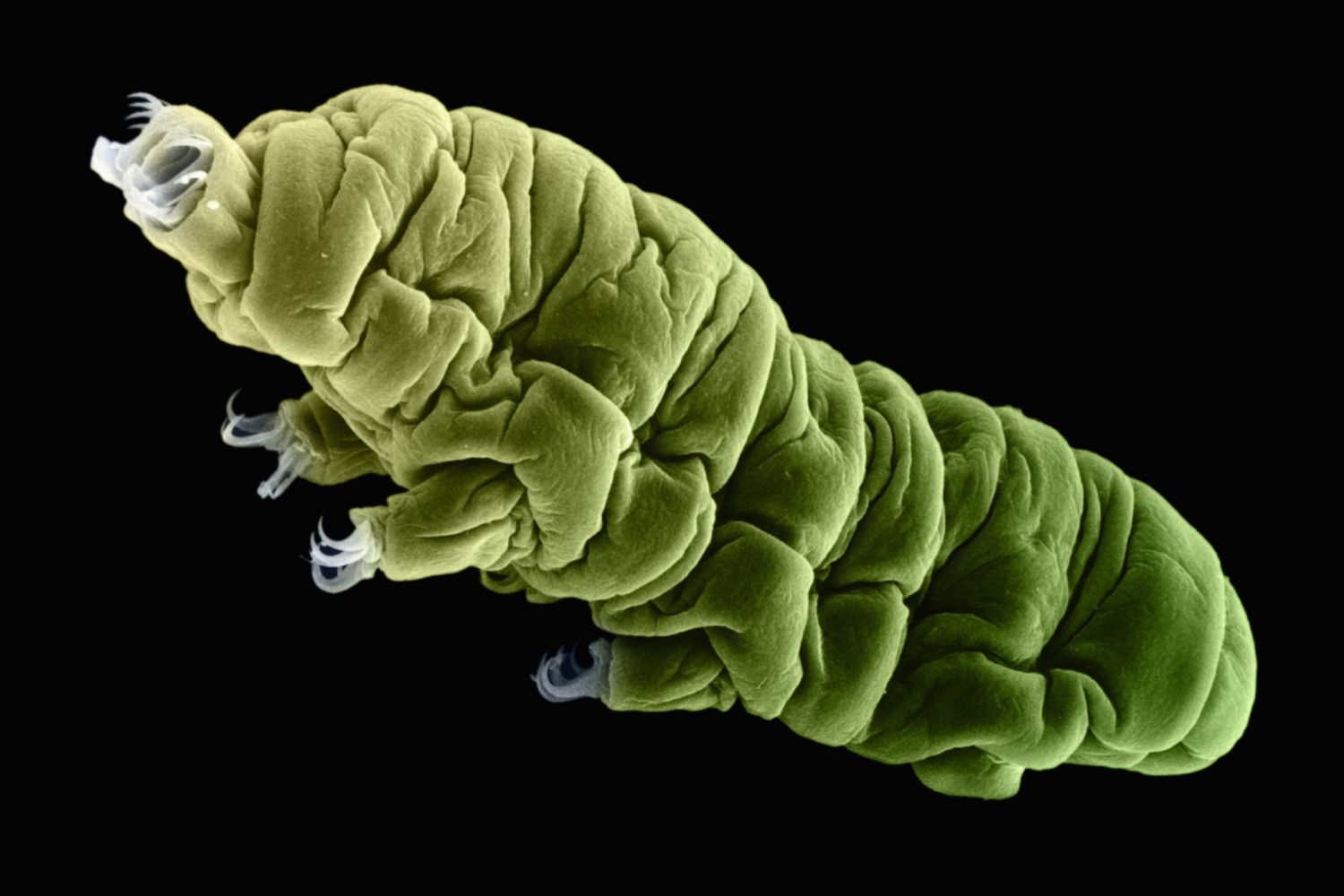
The most common contaminants of drinking water are microorganisms, nitrates and arsenic. Microbiological contaminants in drinking water include bacteria, viruses, and protozoa (including Giardia lamblia and Cryptosporidium) that can quickly lead to widespread and fatal infections. These bacteria are typically formed from human or animal waste that enters lakes, rivers, or shallow underground aquifers with irrigation or rainwater.
Illnesses caused by drinking contaminated water
- Diarrhea. Food poisoning or intestinal infections are the most common diseases caused by drinking water contaminated with microorganisms (bacteria, viruses and protozoa) from animal or human waste.
- Hepatitis A. A highly contagious disease that mainly affects the liver. There are two ways to get infected: drinking water (washing and even eating food prepared with it) infected with hepatitis A virus (HAV) or close contact with an infected person.
- Cholera. The small intestine is the main organ affected by cholera. The causative agent of this disease is the Vibrio Chloerae bacterium, which got into the water supply system with traces of excrement.
- Lead poisoning. This is a potentially fatal disease resulting from the ingestion of metal into the body. The ingress of lead into drinking water is possible with other impurities of harmful chemicals, as well as when using old pipes of the water supply system. Children are most susceptible to this disease.
- Cancer. Carcinogenic toxins such as methyl tertiary butyl ether (MTBE) and chlorinated solvents increase the risk of cancer by damaging DNA and causing cancer.
- Damage to the liver, kidneys and nervous system. Chemical contaminants in drinking water such as MTBE and chlorinated solvents can cause kidney stones, liver and kidney failure, and inflammation of the liver.
- Trachoma (eye infection). This is an eye disease caused by the use of water with pathogenic microflora for hygiene purposes. The disease has led to blindness in approximately six million people worldwide. Women and children are at greater risk.
- Poliomyelitis (infantile paralysis). The polio virus causes a deadly infection known as polio. The virus is transmitted through water contaminated with the faeces of an infected person, infecting and destroying the nervous system once it enters the bloodstream.
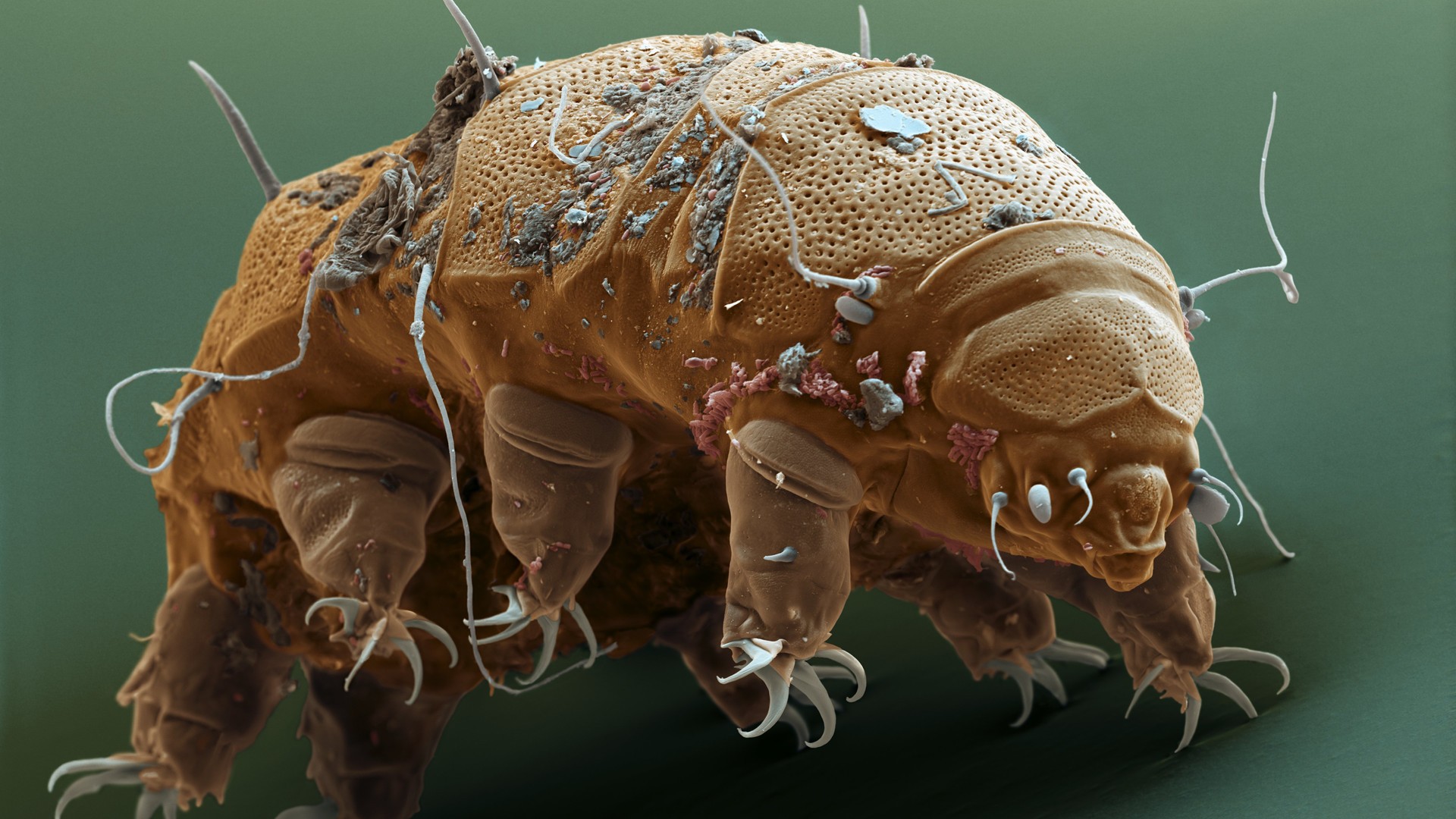
Based on the foregoing, it can be noted that the use of contaminated water puts at risk a wide range of diseases, the causative agents of which are various pathogenic microorganisms.
One of the best ways to prevent these diseases and ensure your health and well-being is to consume and use only pure and purified water.
Material taken from https://www.netsolwater.com