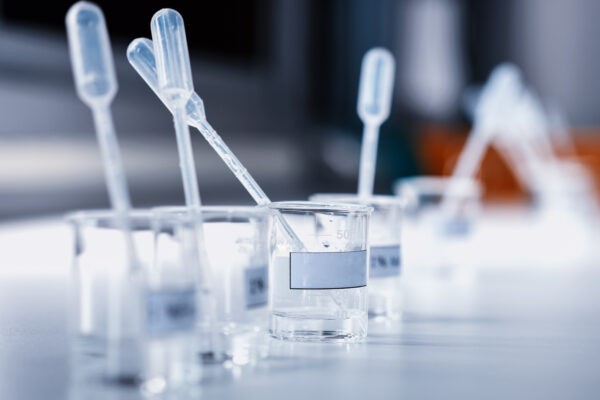






Microplastics are small particles of plastic less than 5 mm long that enter ecosystems from various sources of industry, as well as formed during the destruction of plastic waste.
Microplastics accumulate in the environment in large quantities, especially in aquatic and marine ecosystems. Plastic degrades slowly, typically hundreds or even thousands of years, increasing the likelihood of microplastics entering and accumulating in the bodies and tissues of many organisms. Research is currently underway to study the full cycle and movement of microplastics in the environment.
Microplastics are divided into two categories: primary (industrial), when granules or powder are added to the production of fabrics, cosmetics, household chemicals, car tires, etc., and secondary (natural), when plastic objects break down into small pieces under the influence of the environment.
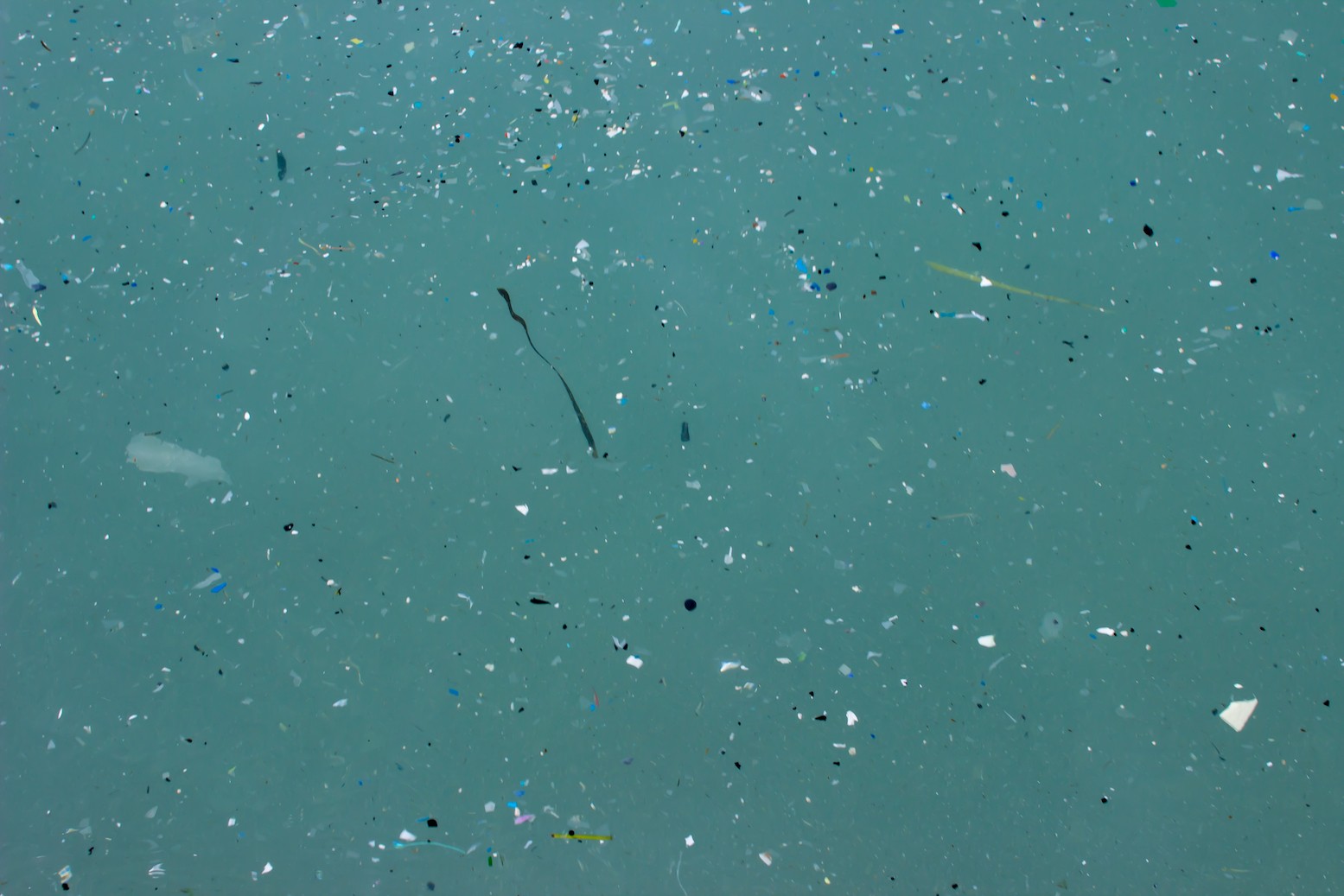
It is believed that about 2/3 of the primary microplastic is washed off the roads (for every 100 kilometers of driving, about 20 grams of plastic dust is erased from car tires) and about 25% of the exfoliated microfibers enter the sewer when washing synthetic fabrics. Often, for the best effect, small plastic granules are added to industrial cleaners and cosmetics (toothpaste, shower gels, lipsticks, creams, shampoos, deodorants, hair sprays, dishwashing detergents, powders). During use, these particles are washed down the drain along with wastewater.
Recycled microplastics come from large plastic waste. It is a decay product of bags, disposable tableware, bottles and other waste, which gradually breaks down into smaller and smaller pieces, while retaining its molecular structure.
Spread
Every year, about 8 million tons of plastic waste enters the world’s oceans, 67% of which is brought with them by 20 rivers passing through densely populated areas of Asia (8 rivers) and Africa (2 rivers). Most of the plastic in the ocean comes from the Yangtze River in China. Microfiber plastics make up between 15% and 31% of the total amount of plastic polluting the ocean.
As studies have shown, there are a large number of microplastic particles in the organisms of marine fauna. It is found in fish, earthworms and other animal species. In addition, microplastics are found in 83% of tap water samples worldwide. Plastic particles have been found in packaged sea salt and beer.
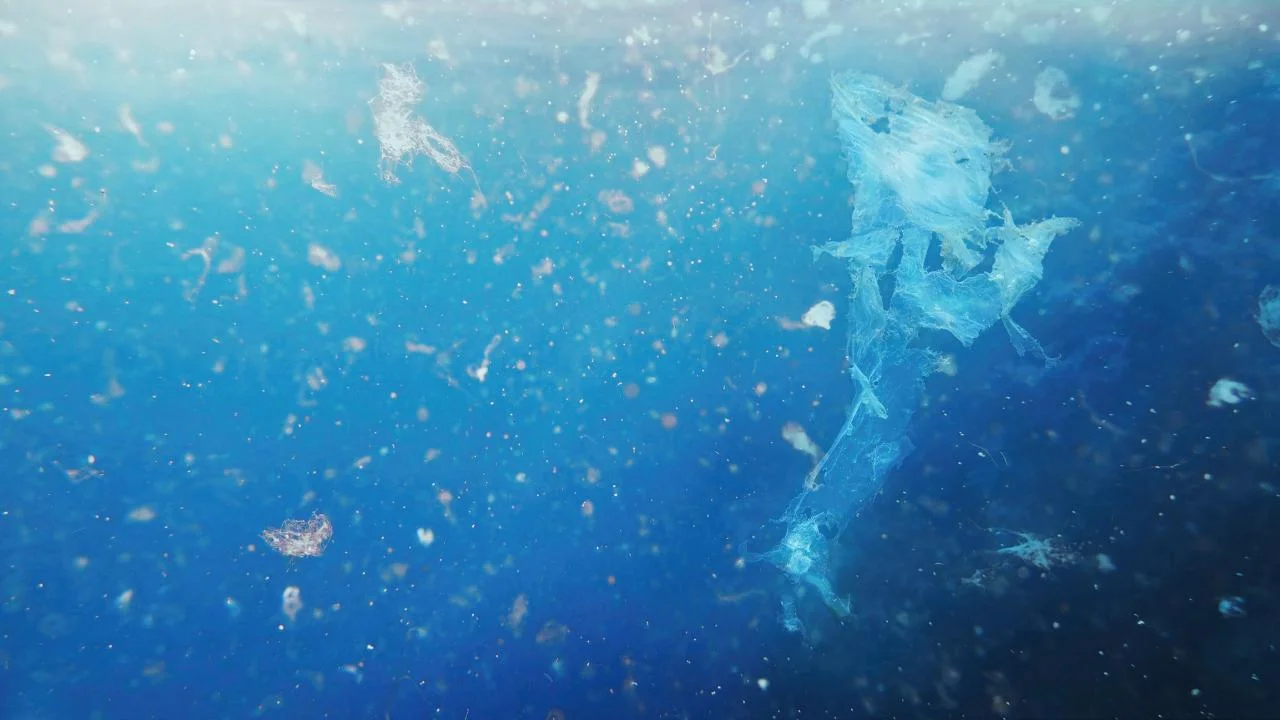
In 2017, 38 brands of mineral water sold in Germany were studied: 26 brands in plastic bottles, 9 brands in glass bottles, and 3 brands of water in cartons. All types of mineral water contained fragments of microplastics. 80% of all detected particles were between 5 and 20 microns in size.
Austrian scientists have found microplastic particles in the feces of residents of eight countries (Finland, Italy, Japan, the Netherlands, Poland, Russia, Great Britain and Austria). In the studied samples, an average of 20 plastic particles per 10 grams of biomaterial was found.
Harm to health
Small particles of microplastics enter the human body when eating fish and seafood. Microplastic is dangerous not only in itself: it can accumulate synthetic dyes, pesticides, flame retardants and other toxic components.
The average American eats and inhales more than 70,000 plastic particles each year.
In March 2022, Environment International published the results of a study by the University of Amsterdam, which for the first time detected microplastics in human blood. Out of 22 blood samples from donors, 17 samples contained plastic particles as large as 0.0007 mm. It included PET plastic used in the production of beverage bottles, polystyrene particles from food packaging, and traces of polyethylene from plastic bags. The results of the study indicate that plastic particles, entering the human body, can move through it along with the blood and settle in different organs.
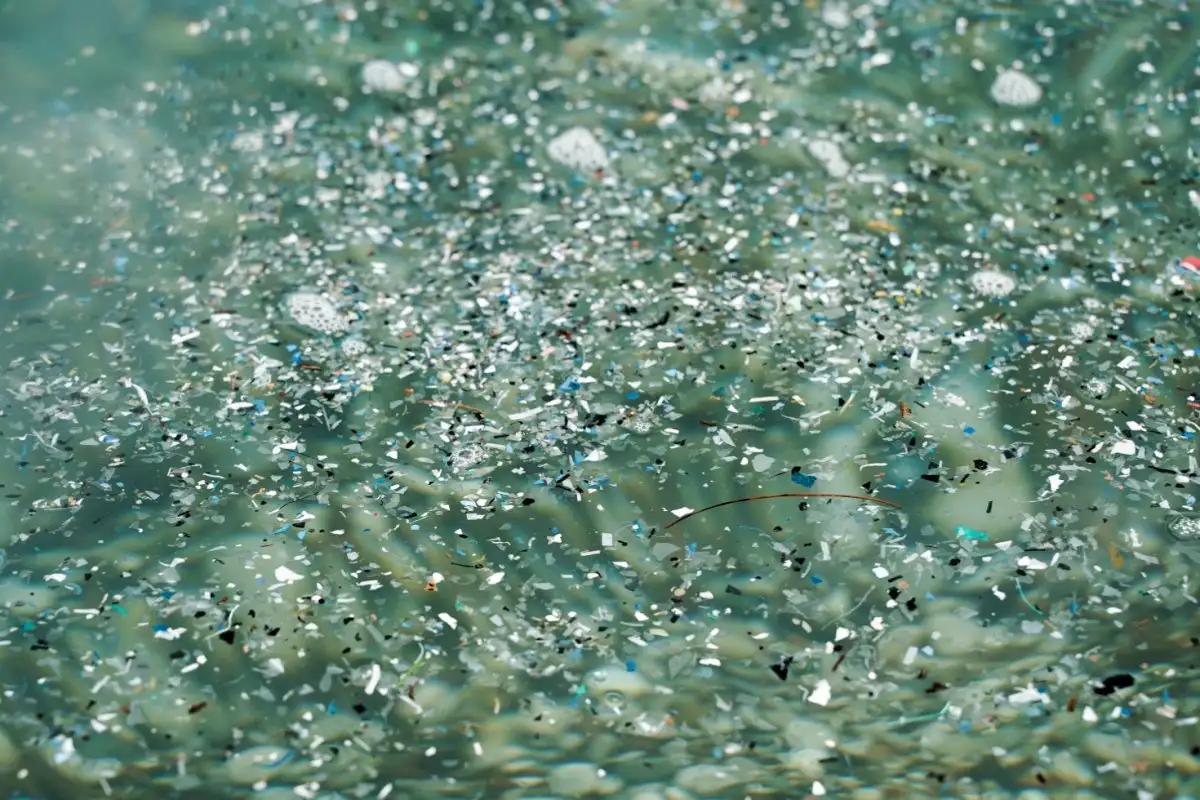
Theoretically, particles smaller than 150 microns are able to penetrate the intestinal wall into blood cells and internal organs. It is not known whether microplastic particles are able to penetrate the lymphatic system, but studies have shown that ingested microplastic particles damage internal organs, and also release dangerous chemicals inside the body that can disrupt the body’s protective functions, stop growt hand cell reproduction, negatively affect the endocrine system, and also lead to the formation of blood clots, intestinal inflammation and even colon cancer.
On the other hand, the World Health Organization does not consider microplastics in drinking water to be a health hazard.
Fight against microplastics
To minimize the entry of microplastics into the body, scientists suggest using filters (in particular, a reverse osmosis filter for water and HEPA filters for air). It is recommended to avoid plastic bottles and food containers.
However, as the researchers note, even with this approach, it will not be possible to completely avoid the microplastics that surround us.
At the beginning of 2019, the EU government banned the addition of all types of plastic to products. First of all, this applies to the cosmetic industry. Manufacturers will have to replace plastic with a biological alternative.
Material taken from https://ru.wikipedia.org/wiki/Microplastic